
Platelets are your body’s first responders to injury. The moment tissue is damaged, platelets rush to the site and release a cascade of growth factors — platelet-derived growth factor (PDGF), transforming growth factor (TGF), vascular endothelial growth factor (VEGF), and more — that initiate the healing process.
PRP therapy takes that response and amplifies it. By concentrating your own platelets to 5–10x their normal blood concentration and delivering them precisely to a target site, PRP floods the area with the biological signals needed to accelerate repair, reduce inflammation, and restore function — using nothing foreign to your body.
1. A small volume of your blood is drawn — typically 30–60ml
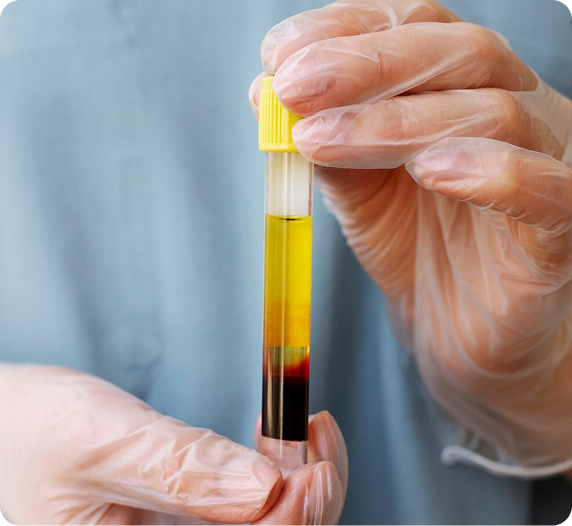
2. The blood is placed in a centrifuge and spun at high speed, separating platelets from red blood cells
3. The platelet-rich layer is extracted and concentrated
4. The PRP is injected precisely into the target tissue under imaging guidance where appropriate
5. Platelets activate on contact with the tissue, releasing their full growth factor payload
The entire process takes approximately 45–60 minutes. No foreign substances. No synthetic drugs. Your biology, optimized.
• Knee osteoarthritis and cartilage degeneration
• Rotator cuff tendinopathy and partial tears
• Lateral and medial epicondylitis (tennis/golfer’s elbow)
• Achilles tendinopathy and plantar fasciitis
• Patellar tendonitis (jumper’s knee)
• Hip labral pathology and hip osteoarthritis
• Lumbar facet joint degeneration
Mechanism
Suppresses inflammation chemically
Stimulates biological repair
Duration
Temporary — weeks to months
Longer-lasting — tissue repair is permanent
Effect on Tissue
Can degrade cartilage with repeated use
Rebuilds and strengthens tissue
Repeat Use
Limited — 3-4 lifetime maximum per site
Can be repeated safely
Source
Synthetic corticosteroid
Your own blood — 100% autologous
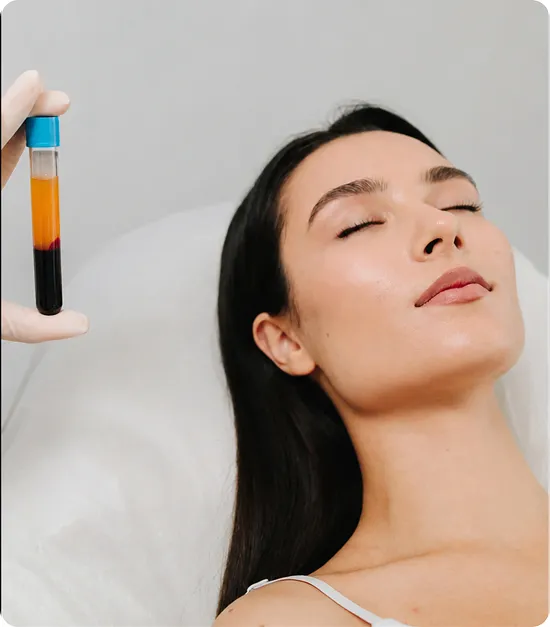
PRP is most effective when the biological environment surrounding the target tissue is optimized. Chronic systemic inflammation, poor circulation, and hormonal suppression all reduce platelet activity and growth factor potency.
Chait addresses these systemic factors before and alongside PRP administration — using peptide therapy, targeted supplementation, and hormonal optimization to ensure the growth factors released by your platelets are working in the best possible biological environment.
PRP therapy is FDA-cleared as a procedure but is not approved as a treatment for specific conditions in all applications listed. Results vary by individual, condition severity, and biological response. This content is for educational purposes only. Evan Chait is a licensed Physical Therapist and Acupuncturist, not a medical doctor (MD). Always consult a qualified healthcare professional before pursuing PRP therapy.