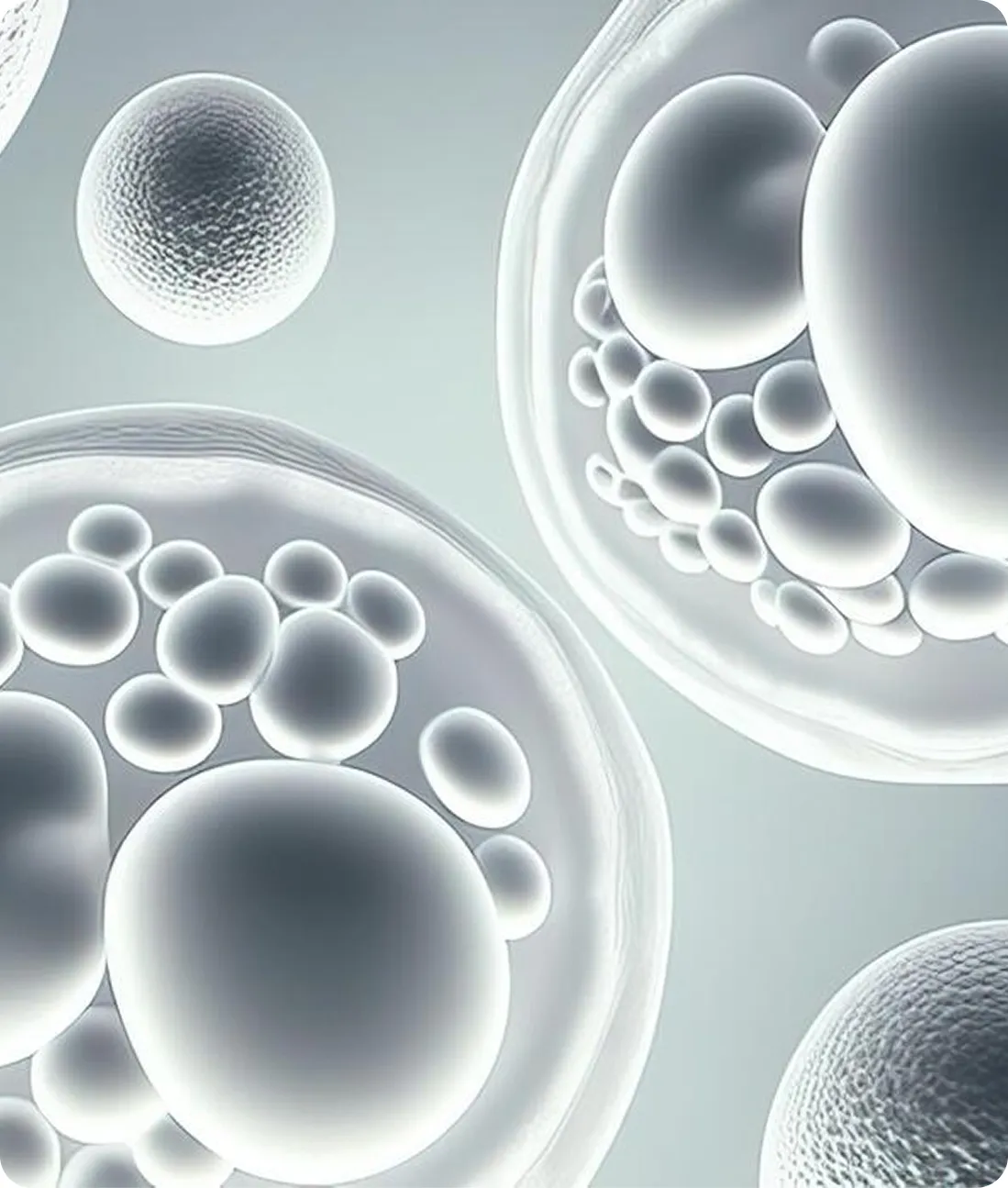
Most people have heard of stem cells. Very few have heard of MUSE cells — and that gap represents one of the most significant opportunities in regenerative medicine today.
Multilineage-differentiating Stress Enduring (MUSE) cells are a naturally occurring, stress-tolerant pluripotent stem cell population first identified by Professor Mari Dezawa at Tohoku University, Japan. They exist within the body’s own connective tissue and bone marrow — and they represent a fundamentally different, more targeted approach to cellular repair than conventional MSC therapy.
Pluripotency
Multipotent only
Pluripotent broader differentiation range
Tumor Risk
Theoretical concern
Non-tumorigenic naturally self-limiting
Targeting
Passive migration
Active homing to damaged tissue via S1P signaling
Origin
Stromal tissue
Natural subpopulation within MSCs and connective tissue
Immune Response
Low immunogenicity
Extremely low tolerogenic by nature
Mechanism
Paracrine signaling primary
Direct tissue integration + paracrine signaling
MUSE cells are distinguished by their expression of the pluripotency marker SSEA-3 and their remarkable ability to home to damaged tissue in response to Sphingosine-1-Phosphate (S1P) — a signaling lipid released by injured cells. This means MUSE cells don’t need to be injected directly into the injury site. They find the damage themselves.
Once at the site of injury, MUSE cells differentiate into the specific cell types needed for repair — neurons, cardiomyocytes, hepatocytes, glial cells, and more — and integrate into the existing tissue architecture. This is not passive support. It is active structural regeneration.
Critically, MUSE cells are non-tumorigenic. Unlike induced pluripotent stem cells (iPSCs), MUSE cells self-limit their proliferation — making them among the safest pluripotent cell populations currently under clinical investigation.
• Stroke recovery and neurological deficit rehabilitation
• Amyotrophic Lateral Sclerosis (ALS)
• Multiple sclerosis and demyelinating conditions
• Spinal cord injury — partial and chronic
• Traumatic brain injury recovery
• Cardiac tissue regeneration post-infarction
• Diabetic nephropathy and kidney dysfunction
• Liver disease and hepatic regeneration
• Systemic inflammatory and autoimmune conditions
• Advanced joint degeneration unresponsive to MSC therapy
• Muscle wasting and sarcopenia
• Accelerated biological aging and cellular senescence
• Complex chronic conditions requiring deep tissue regeneration
MUSE cell therapy is the most advanced cellular intervention in Chait’s regenerative toolkit. It is selected for patients whose conditions require deeper tissue integration than conventional MSC therapy provides — particularly in neurological, cardiovascular, or complex systemic cases.
As with all therapies in the Chait protocol, MUSE cell administration is never standalone. It is deployed within a fully optimized biological environment — inflammation controlled, hormones balanced, mitochondrial function restored — so the cells land in a system ready to use them.
Dezawa MUSE cell therapy is an emerging area of regenerative medicine and is not FDA-approved as a standard treatment for any specific condition. Clinical research is ongoing. This content is for educational purposes only. Evan Chait is a licensed Physical Therapist and Acupuncturist, not a medical doctor (MD). Always consult a qualified healthcare professional before pursuing any cellular therapy. Individual results may vary.